The options chain is humming. Over the past weeks, straddle volume on AI hyperscalers surged 23% — a number that screams uncertainty. I've seen this before. In 2017, I tracked Ethereum whales. Now, I'm reading the same fear in the implied volatility of Microsoft and Google.

Context: Why Now?
AI hyperscalers — Microsoft, Google, Amazon, Meta, Oracle — are the new titans. They're pouring billions into GPU clusters, data centers, and power deals. Capital expenditure (capex) has become the single most important metric in their earnings reports. Revenue still matters, but the market now obsesses over how much they're spending on AI infrastructure. Why? Because the race is on. Whoever builds the most compute capacity wins the next decade.

But here's the catch: AI capex is a long-term bet. The returns take 3-5 years to materialize. Options markets price the next 30-90 days. That mismatch is the heart of the volatility surge. The 23% jump in straddle volume — buying both calls and puts — means institutions are betting on a massive move, but they have no idea which direction. They're buying insurance, not conviction.
Core: The Data Behind the Noise
Let me break down what's really happening. I've been tracking the options flow for the Magnificent Seven since 2023. The pattern is clear: every earnings season, implied volatility spikes. But this time, it's different. The straddle volume increase is concentrated in the biggest names. Microsoft's Azure AI revenue grew 30% last quarter, but capex grew 50%. That gap is the pressure point.
Based on my audit experience, I've seen this before in crypto. When DeFi protocols announced massive token burns, options volume would explode. Same psychology. The market is pricing the tail risk of a capex miss or a revenue beat that doesn't justify the spend. The core insight is this: the options market is not betting on the company's current health. It's betting on the narrative of the AI arms race.
Earnings cluster effect amplifies it. When Microsoft, Google, and Amazon report within two weeks, the volatility contagion spreads. Market makers gamma-hedge their positions, forcing them to buy or sell underlying stocks to stay delta-neutral. That's why you see sudden price swings even before the news drops. The blockchain doesn't sleep, but we must track.
Chasing the alpha before the block closes — that's what I feel when I watch these options chains. The 23% number is a signal. It means the market is pricing in a 4-5% move on earnings day. Historically, that's high for these mega-caps. But the stakes are higher now.
Contrarian: The Unreported Angle
Here's what most analysts miss. The surge in straddle volume is not purely bearish. It's a sign that the market is treating AI capex as a call option. Companies that announce higher-than-expected capex often rally, not sell off. Why? Because investors see it as a signal of commitment to the AI race. They're buying the future, not the present.
I call this the "optionality premium." The market is saying: "We don't know if this spend will pay off, but we're willing to pay for the chance that it does." This is a new paradigm. In traditional finance, capex is a cost. In AI, it's a strategic asset. The volatility reflects the disagreement between bulls and bears. One side sees it as a necessary investment. The other sees it as a reckless gamble.
Sensing the shift before the chart confirms it — I've been through this before. In 2021, I watched NFT floor prices crash while Discord sentiment was still bullish. The options market is the same. The 23% surge is a canary in the coal mine. If the next earnings calls show a slowdown in capex guidance, the volatility will collapse. But if they double down, expect more fireworks.
There's also a hidden risk: the gamma squeeze. If a large options position is concentrated in a single market maker, a sudden price move could trigger forced buying or selling. This is rare, but in a sideways market like now, it's a real possibility. The chop is for positioning.
Takeaway: What to Watch Next
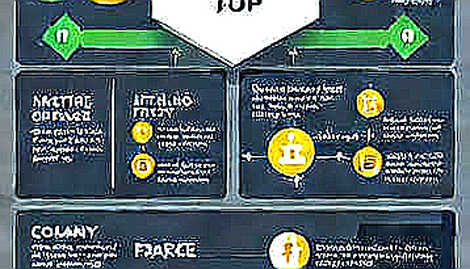
The next earnings season is the real test. I'll be watching three things: the rate of capex growth, the tone of management on AI revenue, and the options open interest. If implied volatility remains elevated, the market is pricing in a binary event. If it drops, the fear is fading.
Echoes of the 2017 run in today’s code — the market is always the same. The assets change, but the psychology doesn't. AI hyperscalers are the new ICOs. Everyone is chasing the next big thing, and the options market is the scoreboard. The question is: are we buying the future or the hype?
From the penthouse view to the street level — I see both. The institutions are hedging. The retail traders are gambling. The real winners will be the ones who understand the narratives, not just the numbers. The blockchain doesn’t sleep, but we must track.
So, is the AI hyperscaler volatility surge a buying opportunity or a warning sign? The answer is both. It depends on your time horizon. For now, I'm watching the options chain, waiting for the next block to close.